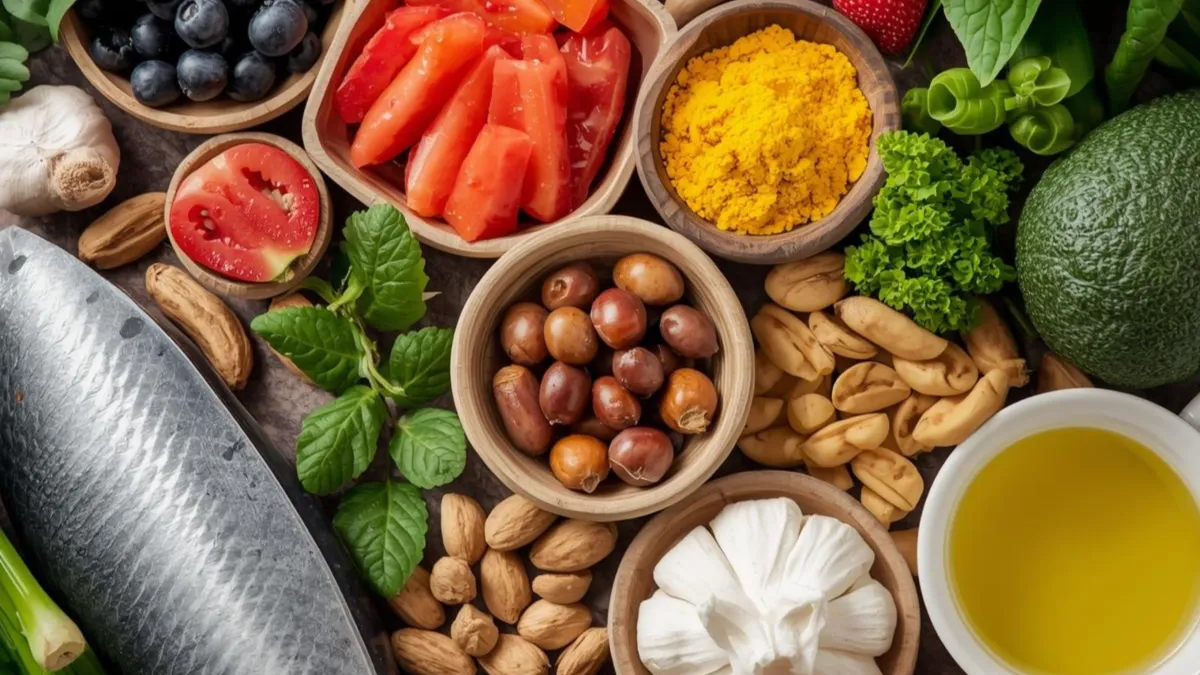
10 Anti-Inflammatory Foods That May Help Reduce Chronic Inflammation
Chronic inflammation is linked to fatigue, joint discomfort, and many long-term health conditions. Discover 10 nutrient-rich foods that may help support a balanced inflammatory response.
Understanding Chronic Inflammation
Inflammation is a natural response the body uses to protect itself. When you experience an injury or infection, short-term inflammation helps the immune system repair damaged tissue and fight harmful pathogens.
However, when inflammation persists over time, it can become chronic inflammation. This low-grade, ongoing immune response has been associated with a variety of health concerns, including cardiovascular disease, metabolic disorders, joint discomfort, and fatigue.
While many factors influence inflammation, nutrition plays an important role in supporting the body’s ability to regulate inflammatory processes.
Certain foods contain nutrients and plant compounds that may help support a balanced inflammatory response.
1. Fatty Fish
Fatty fish such as salmon, sardines, and mackerel are rich in omega-3 fatty acids, particularly EPA and DHA.
Omega-3s are known to help regulate inflammatory signaling in the body and have been widely studied for their role in supporting cardiovascular health and immune balance.
Including fatty fish in meals a few times per week can help increase omega-3 intake.
2. Berries
Berries such as blueberries, strawberries, and raspberries are rich in antioxidants known as anthocyanins.
These plant compounds help combat oxidative stress, which can contribute to inflammation. Berries also provide fiber and vitamin C, which support immune function and metabolic health.
3. Leafy Green Vegetables
Vegetables such as spinach, kale, and Swiss chard contain vitamins, minerals, and phytonutrients that support cellular health.
Leafy greens are particularly rich in antioxidants that help neutralize free radicals and may help reduce inflammatory stress in the body.
4. Olive Oil
Extra-virgin olive oil is a key component of the Mediterranean diet and contains a compound called oleocanthal.
Research suggests that oleocanthal may have anti-inflammatory properties that support cardiovascular health.
Using olive oil as a primary cooking fat or salad dressing is a simple way to incorporate healthy fats into meals.
5. Turmeric
Turmeric contains an active compound called curcumin, which has been studied for its ability to influence inflammatory pathways.
Curcumin is often used in cooking or as a spice in dishes such as soups, curries, and roasted vegetables.
Pairing turmeric with black pepper can help improve the absorption of curcumin in the body.
6. Nuts
Nuts such as almonds, walnuts, and pistachios provide healthy fats, fiber, and antioxidants.
Walnuts, in particular, contain omega-3 fatty acids that may help support heart health and reduce inflammatory markers.
Eating a small handful of nuts as a snack or adding them to salads and yogurt can be an easy addition to a balanced diet.
7. Green Tea
Green tea contains powerful plant compounds known as polyphenols, including epigallocatechin gallate (EGCG).
These antioxidants may help reduce oxidative stress and support metabolic health.
Replacing sugary beverages with green tea can be a simple way to incorporate more antioxidants into daily routines.
8. Tomatoes
Tomatoes are rich in lycopene, an antioxidant associated with reduced oxidative stress.
Cooking tomatoes with healthy fats such as olive oil can enhance lycopene absorption and increase its potential benefits.
Tomatoes can be included in sauces, salads, or roasted dishes.
9. Avocados
Avocados are a source of monounsaturated fats, fiber, and potassium, which support cardiovascular and metabolic health.
These nutrients may help support a balanced inflammatory response and contribute to overall wellness.
10. Garlic
Garlic contains sulfur compounds that have been studied for their role in immune health and inflammation regulation.
Adding garlic to meals can enhance flavor while also providing beneficial plant compounds.
The Bigger Picture: Diet Patterns Matter
While individual foods can support inflammatory balance, the overall dietary pattern tends to have a greater impact on long-term health.
Diet patterns rich in whole foods, vegetables, healthy fats, and fiber—such as the Mediterranean diet—have been consistently associated with lower levels of inflammatory markers.
At the same time, diets high in ultra-processed foods, refined sugars, and excess saturated fats may contribute to increased inflammatory signaling over time.
Supporting Long-Term Health Through Nutrition
Reducing inflammation is rarely about eliminating a single food. Instead, it often involves gradually building sustainable habits that emphasize nutrient-dense whole foods.
Incorporating a variety of fruits, vegetables, healthy fats, and fiber-rich foods can help support metabolic balance, immune function, and overall wellness.
Small, consistent changes in dietary patterns may have meaningful long-term benefits for health.
References
Calder PC.
Omega-3 fatty acids and inflammatory processes.
Nutrients. 2010.
https://pubmed.ncbi.nlm.nih.gov/20329590/
Galland L.
Diet and inflammation.
Nutrition in Clinical Practice. 2010.
https://pubmed.ncbi.nlm.nih.gov/20130175/
Schwingshackl L, Hoffmann G.
Mediterranean dietary pattern and markers of inflammation.
Nutrients. 2014.
https://pubmed.ncbi.nlm.nih.gov/24566432/