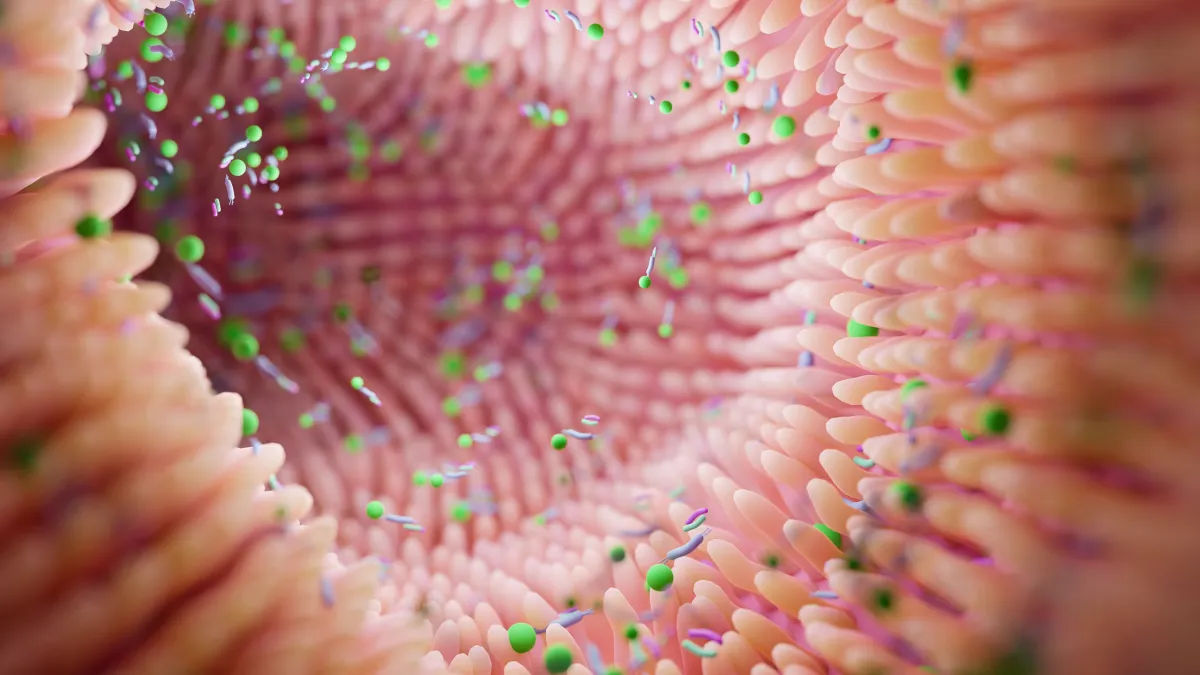
The Hidden Traffic Controller of Your Estrogen: What Is the Estrobolome?
If you are like millions of women trying to find your way through the choppy waters of hormonal imbalances, you have probably spent a lot of time looking at your ovaries, tracking your menstrual cycle, or trying a long list of targeted supplements. When symptoms like heavy periods, unpredictable mood swings, or stubborn weight gain arise, it is completely natural to assume the issue is localized to your reproductive system.
However, one of the most significant discoveries in modern endocrinology and functional medicine reveals that the real secret to hormonal harmony doesn't start in your ovaries. It lives deep within your digestive tract.
Your hormones do not operate in a vacuum. Every single chemical messenger produced by your endocrine glands must eventually be processed, broken down, and physically escorted out of your body. If this disposal system stalls, your hormonal balance collapses.
At the center of this clearance system is a highly specialized community of microbes known as the estrobolome. This bacterial neighborhood acts as the ultimate traffic controller for your estrogen. If it is healthy, your hormones stay perfectly balanced. If it is disrupted, your entire system can get trapped in an inflammatory loop.
What Exactly Is the Estrobolome?
To understand the estrobolome, we first have to look at the gut microbiome as a whole. Your digestive system is home to trillions of microorganisms that help you digest food, manufacture vitamins, and support your immune system. Within this vast ecosystem is a distinct group of bacteria—a genetic superfamily—specifically tasked with metabolizing and regulating the circulating estrogen in your body. This specific collective of microbes is called the estrobolome.
The estrobolome's primary job is to determine how much estrogen is allowed to leave your body through your waste, and how much is reabsorbed back into your bloodstream. It acts like a biological thermostat. When functioning optimally, it keeps your estrogen levels within a narrow, healthy window that supports your bone density, cardiovascular system, brain health, and menstrual health.
When your gut flora becomes imbalanced—a state called dysbiosis—the estrobolome loses its ability to regulate this thermostat accurately, leading to downstream hormonal chaos.
The Journey of Estrogen: From Production to Elimination
To appreciate how much power your gut holds over your hormones, it helps to map out the journey that estrogen takes through your body.
First, your ovaries (and to a lesser extent, your adrenal glands and fat cells) manufacture estrogen. This active hormone travels through your bloodstream, clicking into cellular locks across your body to perform vital functions. It builds your uterine lining, keeps your blood vessels flexible, and regulates neurotransmitters that control your mood.
Once the estrogen has done its job, it cannot just float around forever; it must be deactivated. Your body sends the used estrogen to your liver, which acts as the primary detoxification hub. The liver neutralizes the hormone through a process called conjugation, essentially wrapping the used estrogen into a tight, secure package. This package is then dumped into your bile and sent directly into your intestines, with the intention of it leaving your body completely when you have a bowel movement.
This is the exact moment where the estrobolome takes the stage.
The Role of Beta-Glucuronidase: The Unzipping Enzyme
As the liver's estrogen packages travel through your intestinal tract, they pass right through the estrobolome. The bacteria within the estrobolome produce a very specific enzyme called beta-glucuronidase.
In a perfectly healthy, balanced gut, your bacteria produce just enough beta-glucuronidase to allow a tiny, necessary amount of estrogen to be reabsorbed for daily bodily maintenance, while letting the rest pass out safely through your stool.
However, if your gut microbiome is inflamed, damaged, or overtaken by opportunistic, harmful bacteria, your estrobolome begins to manufacture too much beta-glucuronidase. This excess enzyme behaves like an aggressive package handler. It approaches the secure estrogen bundles created by your liver and completely "unzips" them.
Once unzipped, the deactivated, toxic estrogen is instantly re-activated. Because it is no longer bound in its safety package, it easily slips right back through your intestinal wall and enters your bloodstream all over again.
The Danger of Recycled Hormones and Estrogen Dominance
When your body is forced to continuously reabsorb its own metabolic waste, you enter a state known as estrogen dominance. This doesn't necessarily mean your ovaries are making too much estrogen; rather, it means your body is failing to get rid of the estrogen it already used.
This hormonal backlog creates a severe imbalance between estrogen and progesterone, leading to a long list of uncomfortable symptoms that many women face daily:
Intense Bloating and Fluid Retention: Estrogen naturally causes your body to hold onto salt and water, leading to a heavy, uncomfortable feeling that worsens right before your period.
Heavy, Painful, or Clotted Cycles: Excess circulating estrogen continuously stimulates the lining of the uterus, making it abnormally thick and leading to painful cramping and heavy bleeding.
Stubborn Metabolic Resistance: Estrogen dominance alters how your body handles insulin, making it highly efficient at storing fat—particularly around the hips, thighs, and lower abdomen—even if your diet is clean.
Fibroids and Endometriosis Flares: Pro-inflammatory, recycled estrogens feed estrogen-sensitive tissues, contributing to the growth of uterine fibroids and worsening the pain associated with endometriosis.
This is exactly why having a healthy bowel movement at least once a day is an absolute, non-negotiable foundation for your health. If you are chronically constipated, your stool sits in your colon for days, giving the estrobolome endless opportunities to unzip and recycle old hormones back into your system.
Why Conventional "Quick Fixes" Fail
When women experience the symptoms of estrogen dominance, the standard conventional approach is often to introduce an external prescription, such as the synthetic birth control pill, a progestin-only coil, or hormone replacement patches. While these interventions can sometimes mask your daily symptoms by shutting down your natural hormone production, they do absolutely nothing to repair the broken clearance system in your gut.
If your liver is sluggish and your estrobolome is overproducing beta-glucuronidase, adding more hormones into your body is like trying to pour premium fuel into a car with a completely blocked tailpipe. The backlog will remain, and the underlying metabolic inflammation will continue to simmer. True healing requires shifting your focus away from temporary cover-ups and moving toward restoring your body's natural elimination pathways.
How to Support Your Estrobolome Naturally
The great news is that your gut microbiome is incredibly adaptable. You can intentionally reshape the health of your estrobolome and lower your beta-glucuronidase levels by changing the daily instructions you give your body through your lifestyle and nutrition.
Drastically Increase Cellular Fiber: Fiber acts like a physical broom in your digestive tract, binding to deactivated estrogen and sweeping it out of the body before it can be unzipped. Focus on eating a wide variety of whole foods, including flaxseeds, chia seeds, avocados, and root vegetables.
Incorporate Cruciferous Vegetables Daily: Vegetables like broccoli, Brussels sprouts, cabbage, and kale contain a unique plant compound called indole-3-carbinol, which your body converts into DIM (Diindolylmethane). DIM actively supports your liver’s detoxification pathways, ensuring your hormones are packed up safely before they even reach your gut.
Feed the Helpful Bacteria with Prebiotics: To crowd out the opportunistic bacteria that overproduce harmful enzymes, you need to nourish your beneficial microbes. Include plenty of prebiotic-rich foods like garlic, onions, leeks, asparagus, and green bananas in your weekly meals.
Hydrate for Daily Elimination: Because chronic constipation is a major driver of hormone recycling, keeping your digestive tract hydrated is essential. Drink plenty of filtered water throughout the day, and consider adding magnesium glycinate in the evening to naturally support smooth, daily bowel motility.
Nurturing Your Gut for Hormonal Freedom
Achieving true hormonal balance is not a matter of luck, and it cannot be found in a pharmacy bottle. Your endocrine system is profoundly dependent on the health of your digestive tract. When you stop looking at your symptoms as isolated problems and start nurturing your gut microbiome, you give your body the exact tools it needs to clear out old waste, protect your cells from inflammation, and restore its natural biological rhythms. By taking care of your estrobolome, you stop fighting your biology and finally build a vibrant, truly healthy baseline from the inside out.