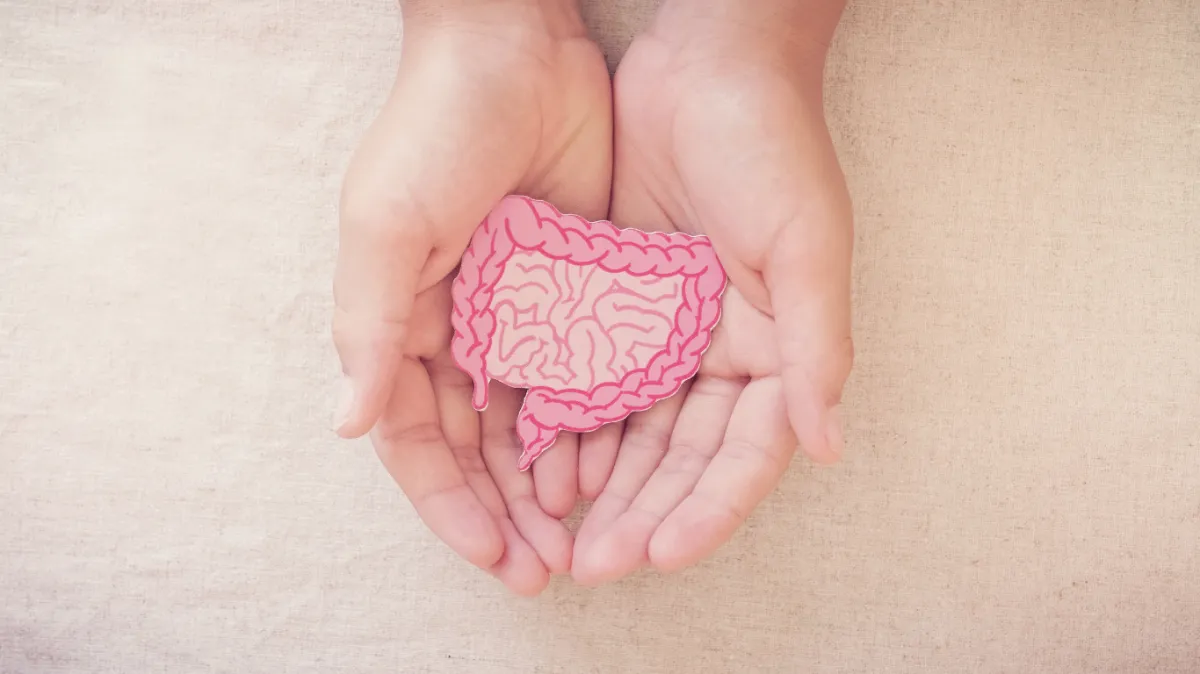
The Gut-Brain Axis Explained: How Gut Health Influences Mood and Mental Health
Many patients dealing with anxiety, brain fog, irritability, or emotional shifts are surprised to learn that gut health may play a major role in how they feel mentally. Research continues to show a strong connection between the digestive system and the brain, often referred to as the gut-brain axis. When the gut becomes imbalanced, it can influence mood, focus, energy levels, and stress tolerance.
Functional medicine looks at this connection by exploring how digestion, inflammation, and nervous system regulation work together rather than viewing mental health symptoms in isolation.
What Is Gut Imbalance?
Gut imbalance occurs when the microbiome — the community of bacteria living in the digestive tract — becomes disrupted. A balanced microbiome supports immune health, nutrient absorption, and neurotransmitter production. When this balance shifts, it may contribute to both physical and emotional symptoms.
Common signs of gut imbalance include:
Bloating or irregular digestion
Brain fog or poor concentration
Anxiety or low mood
Fatigue after meals
Skin inflammation
Contributors can include chronic stress, antibiotic use, processed foods, or underlying digestive issues. Over time, these factors may affect how the gut communicates with the brain.
The Gut-Brain Axis and Mood Regulation
The gut and brain communicate through multiple pathways, including the vagus nerve, immune signaling, and hormone regulation. Certain gut bacteria help produce neurotransmitters such as serotonin and GABA, which influence emotional balance and mental clarity.
When inflammation or microbial imbalance develops, this communication network may shift. Some individuals notice increased anxiety, irritability, or mental fatigue without an obvious cause. From a functional medicine perspective, these symptoms can be important clues that deeper physiological imbalances may be present.
Can Gut Health Affect Personality?
Gut imbalance does not change who you are at your core, but it can influence how you experience emotions and stress. Patients often describe feeling more reactive, mentally fatigued, or disconnected during periods of digestive distress.
These changes are not a reflection of character or motivation. Instead, they may indicate that the nervous system and microbiome are under strain. Supporting gut health can help restore emotional stability and improve overall resilience.
Signs the Gut May Be Affecting Mental Health
Digestive symptoms and emotional changes frequently occur together. Patterns that may suggest a gut-brain connection include:
Anxiety that worsens after meals
Persistent brain fog
Sleep disturbances
Food sensitivities
Constipation or diarrhea alongside mood shifts
Recognizing these connections can help guide a more comprehensive approach to mental wellness.
A Functional Medicine Approach to the Gut-Brain Connection
Functional medicine focuses on identifying root contributors rather than simply managing symptoms. Key areas often explored include restoring microbial balance, supporting digestion, reducing inflammation, and improving nervous system regulation.
Nutrition plays an important role, especially meals that stabilize blood sugar and support microbial diversity. Lifestyle habits such as restorative sleep, gentle movement, and stress regulation can also help improve communication between the gut and brain.
In my experience, many people feel relieved when they begin to understand that mental and digestive health are deeply connected. Rather than chasing individual symptoms, I focus on helping patients explore how their gut, stress response, nutrition, and daily habits work together to influence overall well-being.
Small, intentional changes can create meaningful shifts over time, especially when care is personalized and rooted in long-term sustainability. Looking at the gut-brain connection through a functional medicine lens can offer a more supportive path toward greater clarity, balance, and resilience.
References:
Cryan JF, O’Riordan KJ, Cowan CSM, et al. The microbiota-gut-brain axis. Physiological Reviews. 2019;99(4):1877–2013.
https://pubmed.ncbi.nlm.nih.gov/31460832/
Carabotti M, Scirocco A, Maselli MA, Severi C. The gut-brain axis: interactions between enteric microbiota, central and enteric nervous systems. Ann Gastroenterol. 2015;28(2):203–209.
https://pubmed.ncbi.nlm.nih.gov/25830558/
Foster JA, McVey Neufeld KA. Gut–brain axis: how the microbiome influences anxiety and depression. Trends Neurosci. 2013;36(5):305–312.
https://pubmed.ncbi.nlm.nih.gov/23384445/
Dinan TG, Cryan JF. Gut microbiota: a missing link in psychiatry. World Psychiatry. 2020;19(1):111–112.
https://pubmed.ncbi.nlm.nih.gov/31922605/