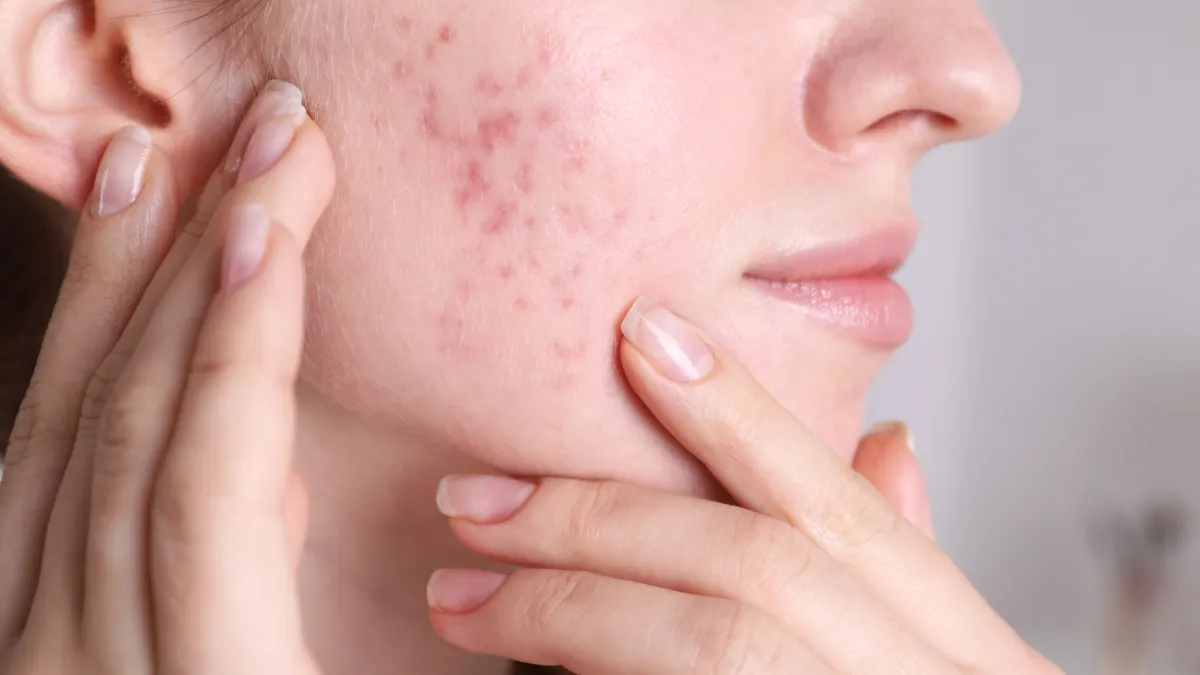
Hormonal Acne vs Gut Acne | Signs, Causes, and Skin Health Guide
Acne is often treated as a surface-level skin concern, but for many people, persistent breakouts reflect deeper internal imbalances. Two common yet frequently confused causes are hormonal acne and gut-related acne. Because both can appear similar on the skin, identifying the underlying pattern is essential for understanding why breakouts continue despite skincare changes.
Recognizing how hormones and gut health influence the skin can help clarify which factors may be contributing to inflammation and recurring flare-ups.
What Is Hormonal Acne?
Hormonal acne is typically linked to fluctuations in androgens, estrogen, progesterone, or cortisol. These hormonal shifts can increase oil production, clog pores, and promote inflammation.
Common signs of hormonal acne include:
Breakouts along the jawline, chin, or lower cheeks
Deep, cystic pimples that feel tender
Flares that appear before or during the menstrual cycle
Acne that worsens during perimenopause or after stopping birth control
Hormonal acne often follows a predictable pattern and may be influenced by stress, sleep disruption, or blood sugar fluctuations.
What Is Gut-Related Acne?
Gut-related acne occurs when digestive imbalance or inflammation affects the skin through immune and metabolic pathways. The gut and skin communicate through what is often referred to as the gut-skin axis.
Signs that acne may be connected to gut health include:
Breakouts alongside bloating, reflux, or constipation
Acne that worsens after certain foods
Redness or inflammatory rashes around the face
A history of antibiotic use or digestive sensitivity
When the gut microbiome becomes imbalanced, inflammatory signals may increase, which can influence how the skin responds.
Key Differences Between Hormonal and Gut-Related Acne
Although both types involve inflammation, certain patterns can help distinguish them.
Location of Breakouts
Hormonal acne commonly appears on the lower face and jawline, while gut-related acne may appear more diffusely across the cheeks, forehead, or temples.
Timing and Triggers
Hormonal acne often follows cyclical patterns linked to hormonal shifts. Gut-related acne may flare after meals or alongside digestive discomfort.
Type of Lesions
Hormonal breakouts are frequently deeper and cystic, whereas gut-related acne may include redness, small inflamed bumps, or uneven skin texture.
Associated Symptoms
Digestive symptoms such as bloating, food sensitivities, or irregular bowel patterns may point toward a gut connection.
When Acne May Be Influenced by Both Factors
In many cases, acne is not caused by a single issue. Hormones and gut health are closely connected, and inflammation in one system can influence the other. For example, stress can impact hormone balance and digestive function at the same time, creating overlapping symptoms.
Because of this overlap, focusing only on topical treatments may not address the underlying drivers of persistent breakouts.
Signs It May Be Time to Look Deeper
Consider exploring further evaluation if acne is accompanied by:
Irregular menstrual cycles or hormonal symptoms
Chronic bloating or digestive discomfort
Brain fog or fatigue
Skin issues that worsen despite consistent skincare routines
Recognizing patterns beyond the skin can help guide conversations about possible contributing factors.
Why Understanding the Difference Matters
Understanding whether acne is primarily hormonal, gut-related, or a combination of both can help reduce frustration and confusion. Many people try multiple products or restrictive diets without lasting improvement because the underlying trigger remains unclear.
Looking at the broader picture — including timing, symptoms, and triggers — may offer clearer insight into why acne persists and what next steps might be helpful.