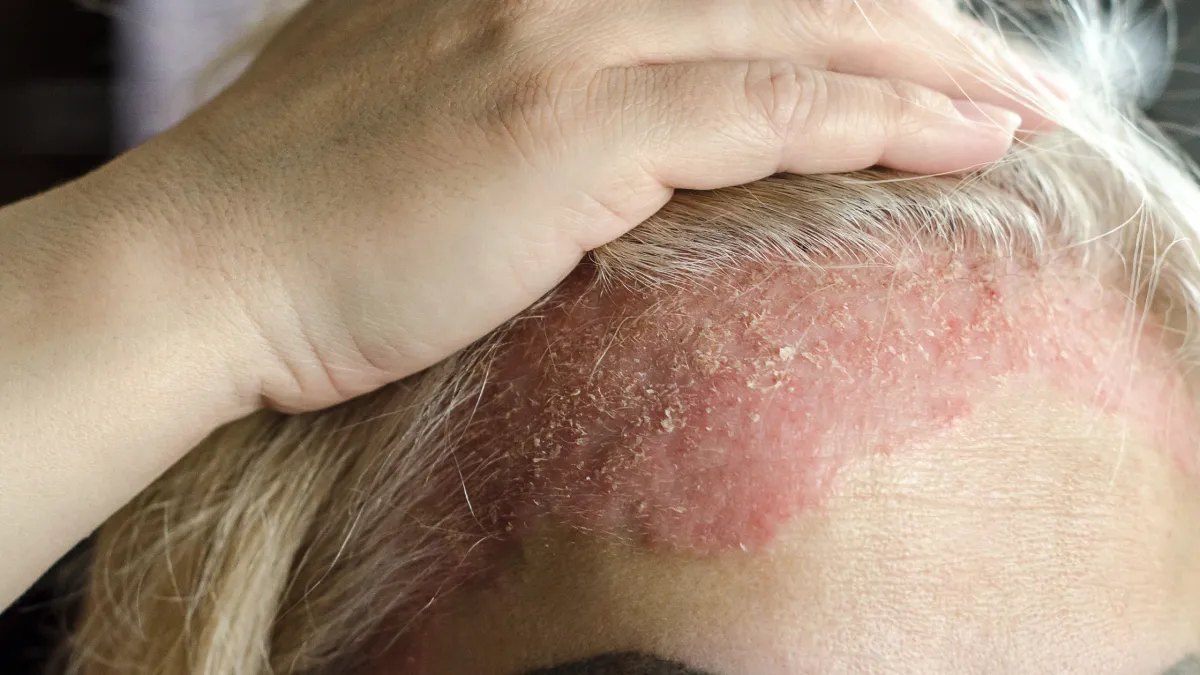
Eczema That Won't Go Away? Why We Need to Look at Your Hormones
When a patient sits in my office and shows me a stubborn, itchy rash that has survived multiple rounds of expensive lotions and prescription steroid creams, the first thing I ask isn't about their body wash or their laundry detergent.
I ask about their menstrual cycle.
The question usually catches them off guard. We are so conditioned by conventional medicine to treat eczema strictly as a surface-level problem. If the skin is dry and inflamed, the standard answer is to simply put a stronger cream on it. But when you are dealing with chronic, persistent dermatitis that flares up and refuses to fully heal, we have to stop looking at the surface and start looking internally.
Very often, the root cause of a stubborn skin rash isn't a contact allergy at all. It is a hormone imbalance.
Let's break down exactly how your hormones dictate the health of your skin, and how functional medicine approaches healing eczema from the inside out.
The Hormone-Skin Connection
Your skin is deeply influenced by your endocrine system. You already know that hormones can cause teenage acne, but we rarely talk about how they impact adult skin barriers, hydration levels, and systemic inflammation.
Here are the three main hormonal players that can trigger or worsen eczema:
Estrogen: This hormone is a natural skin protector. It helps your skin retain moisture, stay plump, and maintain a strong barrier against outside irritants. When estrogen levels drop too low (which naturally happens right before your period, postpartum, or during perimenopause), your skin barrier weakens. A weak barrier loses moisture quickly, leaving it incredibly vulnerable to eczema flare-ups.
Progesterone: Progesterone rises in the second half of your menstrual cycle. While it has many benefits, a sudden spike or an imbalance relative to estrogen can increase your skin's oil production and elevate your internal body temperature slightly, which can trigger itching and redness in already sensitive skin.
Cortisol: This is your primary stress hormone. High, chronic cortisol levels are essentially a match dropped into a dry forest. Cortisol drives widespread, systemic inflammation. It also suppresses your immune system, making it harder for your body to naturally heal a skin flare-up once it starts.
3 Signs Your Eczema is Actually Hormonal
How do you know if your stubborn rash is being driven by your hormones rather than a simple contact allergy? Here are three major red flags I look for in my patients:
1. Your Flare-Ups Are Tied to Your Cycle
If your skin is relatively calm for two weeks out of the month, but suddenly becomes incredibly dry, red, and itchy in the days leading up to your period, this is a glaring sign that fluctuating estrogen and progesterone are driving your symptoms.
2. It Started (or Got Worse) During a Major Life Transition
Did you never struggle with skin issues as a child, only to suddenly develop severe eczema in your late 20s or 30s? Adult-onset eczema is very frequently tied to hormonal shifts. We also see massive eczema flare-ups during postpartum recovery, perimenopause, or right after someone stops taking hormonal birth control.
3. Stress Makes Your Skin Physically Burn
If a stressful week at work, a lack of sleep, or an emotional event causes your rash to spread or become intensely itchy within 24 to 48 hours, you are looking at a cortisol-driven flare-up. Your nervous system and your skin are heavily intertwined.
How We Actually Fix the Root Cause
If your eczema is hormonal, prescribing another steroid cream is like putting a bucket under a leaky roof instead of fixing the hole. Our goal is to identify why your hormones are out of balance in the first place.
Here is how we begin to actually fix the problem:
1. Comprehensive Testing We don't guess; we test. A full thyroid panel and comprehensive hormone testing give us a clear map of exactly what is happening inside your body. We look at your estrogen-to-progesterone ratio, your daily cortisol curve, and your DHEA levels.
2. Supporting Your Liver and Gut Your liver is responsible for filtering out excess hormones. If your liver is sluggish, or if you are dealing with constipation and poor gut health, those old hormones recirculate in your body, driving up inflammation. We focus heavily on liver-supporting foods (like cruciferous vegetables) and repairing the gut lining so your body can properly clear out the hormones it no longer needs.
3. Lowering the Inflammatory Burden When your immune system is hyper-reactive, we need to quiet things down. This often means temporarily removing highly inflammatory foods—like gluten, dairy, and refined sugars—while simultaneously increasing your intake of omega-3 fatty acids to naturally cool the skin from the inside out.
Finding True Relief
Dealing with a visible, itchy, chronic rash takes a massive toll on your mental health and your confidence. It is exhausting. But please know that your body isn't working against you; it is just using your skin as an alarm system to tell you something deeper needs attention.
Once we balance your hormones and lower that internal inflammation, the skin finally has the opportunity to repair itself for good.
Have questions about identifying your specific triggers or want to learn more about our root-cause approach to skin health? Please feel free to reach out to me directly! I would love to hear from you and help guide you in the right direction.