Can Microplastics Affect Gut Health? What the Research Shows
When people think about gut health, they usually think about food.
They think about sugar, processed foods, fiber, probiotics, or whether they're eating enough vegetables.
Those things matter. But there is another piece of the puzzle that often gets overlooked: the environment you're exposed to every day.
When we think about what influences our health, there is rarely just one factor involved.
It's usually a combination of things, including:
What you eat
How well you sleep
Your stress level
Hormones
Physical activity
Environmental exposures
All of these factors can influence how your body functions and how you feel from day to day.
That's why conversations about gut health have expanded beyond food alone. Researchers are increasingly looking at the role that environmental exposures may play in digestion, inflammation, and overall wellness.
Most of us don't think twice about drinking from a plastic water bottle, storing leftovers in plastic containers, or using plastic kitchen utensils. These habits have become a normal part of modern life.
But researchers are beginning to ask an important question: What happens when tiny plastic particles become part of our daily environment—and eventually, part of our bodies?
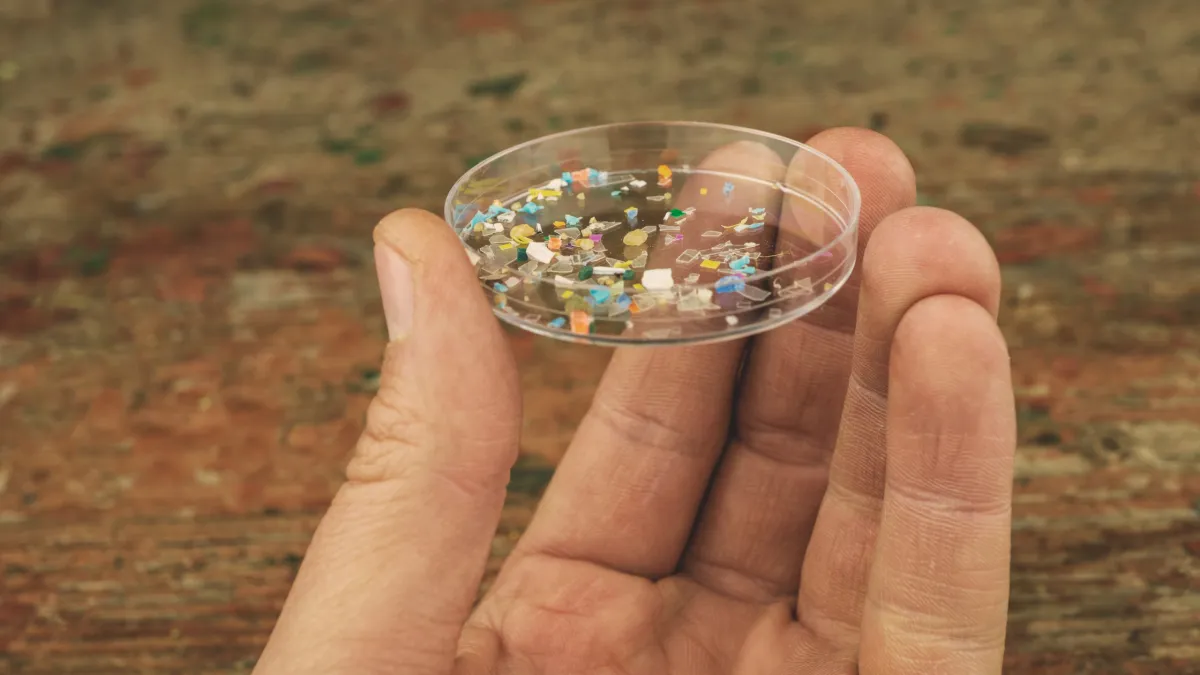
Microplastics have been found in food, water, household dust, and even the air we breathe. While plastic pollution is often discussed as an environmental issue, scientists are increasingly studying how these exposures may affect human health, particularly the digestive system.
This doesn't mean plastic is the cause of every digestive symptom. It doesn't mean you need to throw out everything in your kitchen tomorrow.
As we learn more about the relationship between environmental exposures and gut health, it's worth understanding why researchers are paying closer attention to the potential effects of microplastics on digestion, inflammation, and the gut microbiome.
Can Microplastics Affect Gut Health?
Current research suggests they may.
Researchers are investigating how microplastics may influence the gut microbiome, digestive function, inflammation, and hormone balance. While more human studies are needed, growing evidence suggests that reducing unnecessary exposure may be one way to support overall health.
Why Researchers Are Paying Attention
Microplastics are becoming increasingly common in modern life, and researchers are now studying what this may mean for human health.
Because the digestive tract is one of the primary ways these particles enter the body, much of the conversation has centered on gut health. Scientists are exploring whether long-term exposure may influence the gut microbiome, inflammation, gut barrier function, and even hormone regulation.
While there is still much to learn, the growing body of research highlights an important idea: the health of your gut is influenced by more than just the food you eat.
Why This Matters More Than Ever
Plastic has become part of everyday life.
From food packaging and bottled water to takeout containers and household products, most of us come into contact with plastics multiple times throughout the day without even thinking about it.
While occasional exposure is unlikely to be the sole cause of digestive symptoms, researchers are increasingly interested in understanding how long-term, cumulative exposure may influence health over time.
This is especially important because many people are already managing other factors that affect gut health, including stress, poor sleep, processed foods, and hormone imbalances. Environmental exposures may become one more piece of the puzzle.
When someone is experiencing digestive symptoms, there is rarely one single explanation. More often, it is the combination of multiple factors working together. Understanding the role of environmental exposures can help create a more complete picture of what may be contributing to how you feel.
Your Gut Barrier: The First Line of Defense
One of the reasons researchers are interested in microplastics is their potential impact on the gut barrier.
The lining of the digestive tract acts as a protective barrier between the contents of your gut and the rest of your body. When functioning well, it allows nutrients to pass through while helping keep unwanted substances out.
Researchers are investigating whether ongoing exposure to microplastics may contribute to irritation and inflammation within the digestive tract. Because gut barrier health is closely connected to immune function and inflammation, even small disruptions can have broader effects throughout the body.
For some individuals, symptoms such as bloating, digestive discomfort, food sensitivities, or changes in bowel habits may be connected to factors that influence gut health and inflammation.
The gut barrier is constantly interacting with the foods we eat, the microbes that live in our digestive tract, and the environment around us. Supporting this barrier involves more than avoiding specific triggers. It also means creating conditions that allow the gut to function as intended.
The Gut Microbiome Connection
Your gut is home to trillions of bacteria that help support digestion, metabolism, immune health, and many other important functions.
A healthy microbiome thrives on diversity and balance. Emerging research suggests that environmental exposures, including microplastics, may influence the composition of the gut microbiome.
When this balance is disrupted, some people may experience symptoms such as bloating, gas, digestive discomfort, or irregular bowel habits.
The microbiome is influenced by many factors throughout life. Diet, antibiotics, sleep, stress, physical activity, and environmental exposures can all shape the balance of bacteria living in the gut. This is one reason gut health is rarely about a single supplement or dietary change. Instead, it is often the result of consistent daily habits that support a healthy internal environment.
Why This May Matter Beyond Digestion
The effects of gut health don't stay in the gut.
The digestive system communicates with the immune system, nervous system, and hormonal system every day. This is why factors that influence gut health can sometimes affect energy levels, inflammation, skin health, mood, and hormone balance.
Researchers are particularly interested in the chemicals associated with some plastics, including BPA and phthalates, because they may interact with normal hormone signaling pathways.
The gut and immune system are closely connected. When researchers study gut health, they are often looking at more than digestion alone. They are examining how changes in the gut environment may influence broader aspects of health and wellness.
This connection is one reason many healthcare providers take a whole-body approach when evaluating symptoms. Digestive health, immune health, hormone balance, and lifestyle factors often overlap more than people realize.
Simple Ways to Reduce Microplastic Exposure
One thing I often remind patients is that health is rarely about perfection.
Plastic is part of modern life, and trying to eliminate every source of exposure is neither realistic nor necessary. Instead, focus on the changes that are practical and sustainable.
Start by using a reusable stainless steel or glass water bottle whenever possible. Avoid heating food in plastic containers, as heat can increase the release of plastic particles and chemicals into food.
If you drink tea regularly, consider switching to loose-leaf tea or choosing brands that use paper tea bags rather than plastic mesh bags.
Using glass food storage containers, filtering your drinking water, and replacing worn plastic kitchen utensils are other simple ways to reduce exposure over time.
These changes may seem small, but they can add up.
Protecting Your Internal Environment
We spend so much time thinking about the quality of the food we eat, but it's also worth paying attention to the materials that come into contact with that food every day.
The good news is that your body is designed to adapt and respond to positive changes. Supporting gut health doesn't require perfection, and it doesn't happen overnight. Often, it starts with small, consistent habits that reduce unnecessary stress on the body.
Choosing glass food containers, using a reusable water bottle, filtering your water, and being mindful of how food is stored and prepared are simple steps that can help reduce everyday exposure to plastics.
While researchers continue to learn more about the long-term effects of microplastics, these changes can support a healthier environment for your gut, your microbiome, and your overall well-being.
When it comes to digestive health, every choice doesn't have to be perfect. The goal is to create daily habits that support your body's natural ability to maintain balance and function at its best.